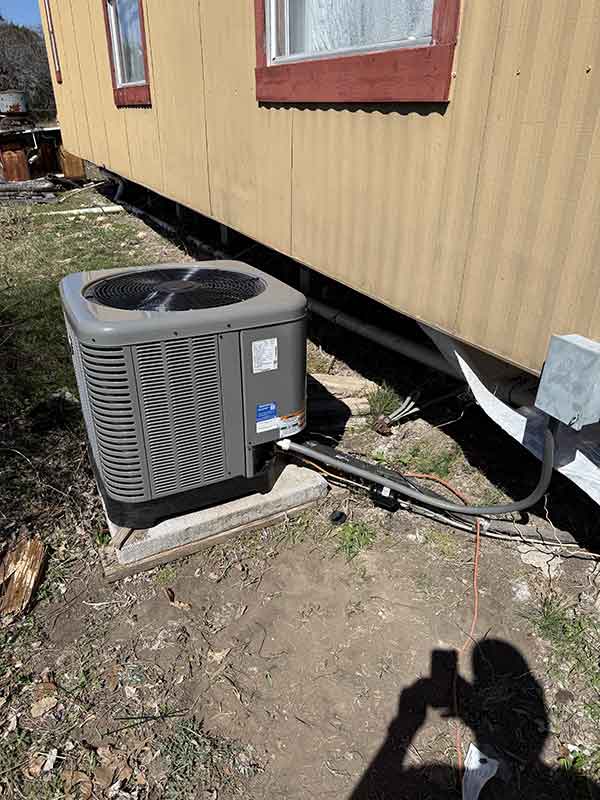
HVAC Maintenance Plans, Done Right.
There is one maintenance plan here, on purpose: both seasonal visits at full scope, reminders handled, priority standing, repair discount, one honest price. The tier ladder, bronze customers buying less maintenance than their systems need so gold can feel premium, is an industry invention this page exists to decline.
Maintenance · Burnet & Central Texas
One Plan, Because the Work Is the Work
The tier question answers itself once maintenance is understood as diagnosis rather than pampering: the system needs its charge verified, its electrical measured, its heating side proven, its drains tested, every season, and no honest subset of that list exists, the bronze visit that skips the under-load electrical is simply the visit that misses the July capacitor, the lite tune-up that eyeballs the charge is the one that misses the slow leak, which is why the plan here comes in exactly one version, the full instrumented scope both seasons, priced plainly per system with multi-system scaling, the only variables being how much equipment you own and nothing about how thoroughly it gets read. Tier ladders exist to segment customers, not to serve systems, and declining them is a service decision before it is a marketing one.
What the plan handles is the household’s whole maintenance overhead: the seasonal visits booked and reminded by the shop, the findings documented into the compounding file, priority standing through the demand crushes, the stated repair discount across the year, filter logistics folded in where households want them, media arriving with the visits, and the flexible layers real properties need, lake-house timing, rental coordination, the mini-split fleet serviced complete alongside the central equipment. Enrollment is one call; the entry visit baselines whatever exists; and the plan’s administration burden on the household lands at approximately zero, which for most enrollees was the entire point.
The plan and the agreement page are siblings, same service, different paperwork weight, and choosing between them is preference rather than consequence, the instruments neither knowing nor caring which document sent them.
Everything about this service gets tuned to where you live. The same failure looks different in a lakefront place at Horseshoe Bay, a nineties ranch house outside Bertram, and a five-year-old build in Leander, because humidity exposure, duct design, and equipment grade differ at each address. Ten years of maintenance plan work calls across Burnet County and the corridor mean we usually know the local pattern before the panel comes off: what the builder-grade systems in the new subdivisions do at year five, what lake air does to outdoor coils, and what a Hill Country attic does to anything asked to work inside it in August.

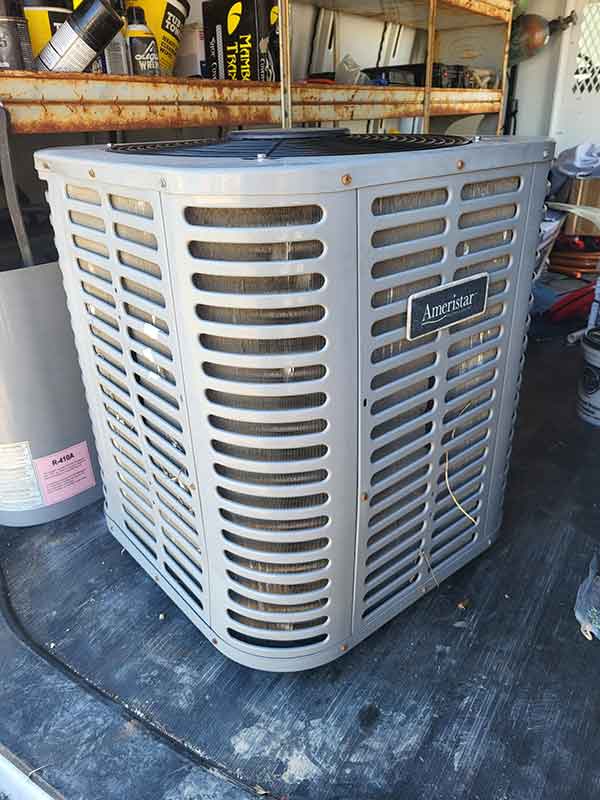
Maintenance
The Plan, Itemized
What enrollment actually buys, in the one version it comes in.
Full-scope seasonal visits
Spring and fall exams at the complete instrumented standard, the only version offered.
Zero-burden logistics
Booking, reminders, and rhythm-keeping all shop-owned, the plan surviving your busiest years.
Priority when it matters
Enrolled standing through the July and January crushes, honored because enrollment is capped.
Repair discount, year-round
The stated percentage on whatever the year surfaces, printed rather than haggled.
The compounding file
Every reading against last season’s, the trend line catching drift years before failure.
Property-shaped flexibility
Lake timing, rental coordination, multi-system scaling, the plan fitting the property rather than the tier chart.
Same crew, any hour.
The name is the joke, the 24-hour line is not. If this problem cannot wait, call now and the on-call tech picks up, quotes the visit straight, and rolls a stocked truck.
Why Off Duty
The Arithmetic, Run Honestly
The plan’s value case runs on numbers a household can check: the enrolled price against the same two visits booked separately, a genuine bundling savings before anything else counts; the first prevented emergency, one July capacitor caught at April prices, typically covering years of enrollment margin; the efficiency drift the visits keep reversing, worth real money across five-month cooling seasons; the equipment years the maintained fleet demonstrably adds; and the priority clause’s option value, unpriceable until the heat dome week it becomes the only thing that matters. Against that stack the plan prices as the modest annual line it is, and the honest counterargument gets stated too, young equipment under installer warranty with diligent owner-maintenance habits can defensibly wait a year or two, though the file’s founding visit argues for starting the record early regardless.
What keeps the plan honest long-term is the renewal test: enrollment renews on the year’s evidence, the file each household can read, the visits that happened as promised, the findings that came with meter readings, the priority that held in August, and a plan business built on that test cannot afford the industry’s shortcuts, hollow visits, phantom priority, tier games, because every corner cut is legible in the customer’s own documentation at renewal time. One plan, fully delivered, renewed on its record: the model is almost boring, which in maintenance is precisely the quality being sold.
Here is how the visit goes. A call to (512) 925-3090 reaches a real tech, not a call center, at any hour. On site, the diagnosis runs on instruments until the cause is certain, and then everything gets laid out in plain English: what failed, what fixes it, and exactly what it costs, before work begins. When the maintenance plan work work is done, it gets verified under load instead of switched on and waved at. If the pattern sounds simple, it is. It is also rare enough in this trade that people write reviews about it.
On pricing, the policy is the same as everything else here: out loud and up front. The visit cost gets stated on the phone before anyone drives anywhere. The repair price gets stated after diagnosis and before work. No packages with hidden contents, no commission-driven upsell in the truck, and no number on the invoice you did not already hear.
One honest note about timing. Problems in this category rarely improve on their own, and the price of waiting is usually a bigger bill: the weak part takes a healthy one with it, the small leak becomes a stain on a ceiling, the strange noise becomes a seized motor. Calling early is almost always the cheaper version of the same repair, and the phone consult costs nothing: describe what you are seeing and we will tell you honestly whether it can wait.
You will also know exactly who is in your house. This company runs on one standard because it mostly runs on one set of hands: Bryce, second-generation in the trade, with every credential on the about page and every kind of job photographed in the gallery. Small shop, short chain of accountability, no strangers in rotation.
We run this work all over the map: Burnet and the Highland Lakes first, then the whole hundred-mile circle, Marble Falls, Georgetown, Round Rock, Austin, Killeen, and out to Waco and Boerne. The full sixteen-county roster is on the service areas page. Wherever you sit on it, the same truck standard applies: the same tech, the same instruments, the same price-before-work rule, whether the drive took ten minutes or ninety. Distance changes the arrival window, never the workmanship.
Diamond Contractor
Mitsubishi’s top ductless credential, earned with factory training.
Second Generation
Raised in the trade, ten years on the tools before the name went on a truck.
Warranty Authorized
JB and Mitsubishi warranty work: we file the claim, you skip the fight.
Open 24 Hours
A real person answers the phone at any hour, every day of the year.
The Standard
How This Work Gets Done Here
Every trade job carries an invisible line item: the standard it was done to. On maintenance plan work work, ours reads like this. The diagnosis is proven with instruments, because guessing is expensive and it is your money on the table. The parts that go in are parts we would put in our own house, matched to spec instead of whatever was cheapest on the shelf. The workmanship follows the manufacturer’s book and the Texas code book both, because shortcuts hide for exactly one season and then bill you with interest.
When the work is finished, it gets tested the way it will actually be used: under load, at temperature, with the readings written down. Then the area gets left the way we found it or cleaner, the old parts get shown to you on request, and the invoice matches the number you already heard. If anything acts up afterward, you call the same number and the same person answers. That is the entire warranty conversation most customers ever need, and it is why the reviews keep saying the same three things: honest, fair, showed up.
HVAC Maintenance Plans Questions
Asked Before We Roll a Truck
The ones the phone line hears most for this service, with the answers given at full length instead of sales-brochure length.
Why do you only have one plan when other companies have three tiers?
Because the system’s needs do not come in tiers: the diagnostic scope that catches failures, charge verified, electrical under load, heating proven, drains tested, is a complete set, and every subset sold as a lower tier is a named list of things that will now get missed, the bronze plan’s skipped capacitor reading being exactly the July stranding it failed to prevent, which makes tier ladders a customer-segmentation tool wearing a service costume. One full-scope plan serves every system the same because the instruments need the same readings everywhere, price scaling by equipment count rather than thoroughness, and the households who ask this question usually recognize the answer from whatever tiered plan disappointed them into asking it.
What does the maintenance plan cost?
A plainly stated annual price per system, quoted when you call per the house policy against mystery pricing, scaled sensibly for multi-system homes, mini-split fleets, and portfolios, and structured so the arithmetic favors enrollment, the bundled visits pricing below their separate bookings before the discount, priority, and file value enter the count. No enrollment fees, no auto-renewal traps, no tier consultation theater, the number is the number, and comparing it against the two-visit alternative plus one averted emergency makes the case most households need. The price answers in one phone call; the value answers in the file, annually, which is the comparison worth actually running.
Does the plan cover repairs or just maintenance visits?
The honest boundary, stated sharply because the industry blurs it: the plan buys the maintenance rhythm, both full-scope visits, logistics, priority, documentation, plus the stated discount on repairs, and it does not prepay the repairs themselves, parts and failures billing at their discounted reality when they occur, the plan being maintenance logistics rather than an insurance product, a distinction the too-good plan marketing elsewhere deliberately fogs. What the structure honestly delivers instead: fewer repairs to buy at all, the prevented-failure arithmetic, earlier and cheaper versions of the ones that remain, and the discount trimming each, which across the fleet outperforms the pseudo-insurance framing anyway, with no fine print required.
Can I put my mini-splits and central system on one plan?
The multi-equipment household is the plan’s natural shape: central systems and ductless fleets enrolled together, every head serviced on the mini-split standard alongside the central equipment’s exams, one visit rhythm covering the property’s whole comfort inventory, scaled pricing reflecting equipment count, and one file holding it all, the lake houses running three heads and a heat pump being the standing example. Portfolio and rental owners extend the same consolidation across addresses, one relationship, per-property files, occupancy-aware scheduling, per the agreements page’s detail. However the equipment configures, the plan’s premise holds: the whole inventory on one rhythm, the whole overhead on our side of the ledger.
When is the best time to enroll?
Now, structurally: enrollment starts with whichever seasonal exam is next, the entry visit baselining the system and founding the file, spring enrollees proven before summer, fall enrollees before the fronts, and the shoulder-season windows offering the calmest calendars for that first thorough visit, though the honest answer refuses seasonality games, the rhythm’s value compounding from whenever it starts, and the worst enrollment timing being the perpetual next-season deferral that the emergency board eventually converts. One call, the next window booked, the record begun; the plan’s whole design is that nothing about it ever needs optimal timing again.
Related work: HVAC Service Agreements · HVAC Maintenance · Seasonal Maintenance · see real jobs in the gallery
One Plan, Fully Delivered
Full scope both seasons, logistics ours, priority real, and a renewal the file argues for. Prefer to write it out? Send the form and we call you back.
(512) 925-3090 Book a Free Look